MWh of lifetime energy savings
St. Joseph’s Health
Image
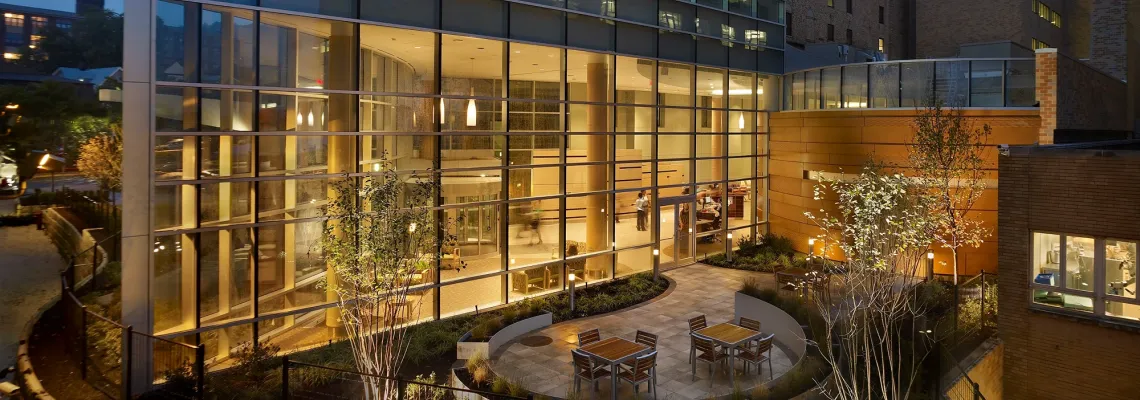
Better buildings make better care possible.
Discover how modern energy upgrades are helping a New Jersey hospital improve comfort, reduce costs, and reinvest more into patient care.
St. Joseph’s Health operates two hospitals in northern New Jersey, one in Paterson and one in Wayne, serving communities with diverse health care needs. As a mission-driven health system focused on equity, safety, and quality of care, St. Joseph’s recognizes that dependable infrastructure directly supports patient comfort and safety.
To modernize aging systems and reduce operating costs, St. Joseph’s partnered with PSE&G on a multiphased energy efficiency project that would improve the performance of its facilities and free up resources that can be redirected into patient services.
Image
Every dollar we’re not spending on energy is a dollar we can put back into patient care.”
Scott Reilly, Director of Maintenance and Engineering at St. Joseph’s Health
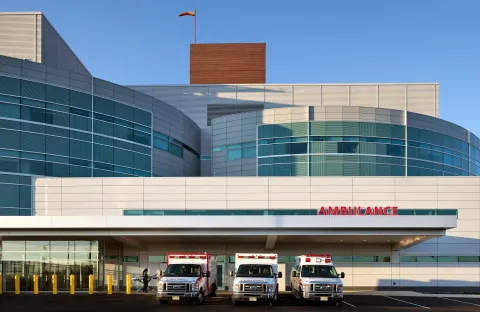
With some Paterson buildings dating back to the 1880s, St. Joseph’s faced rising maintenance demands and increasing reliance on temporary fixes, such as rented cooling equipment.
“That’s inefficient, costly, and inconvenient,” said Scott Reilly, director of maintenance and engineering at St. Joseph’s. “Our patients depend on us to provide a comfortable environment, and these improvements will put an end to stop-gap fixes, reduce peak energy demand, and create infrastructure the hospital can count on.”
To move beyond short-term solutions, St. Joseph’s needed a comprehensive modernization approach that could address aging systems while staying within tight budget constraints.
Image
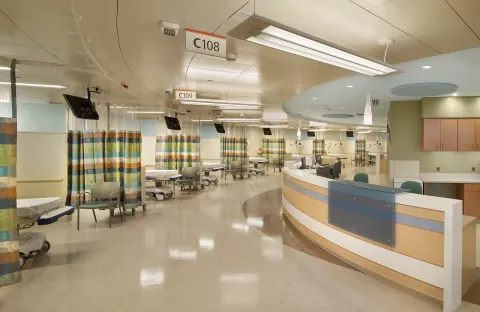
PSE&G partnered with St. Joseph’s through the Engineered Solutions Program to audit, design, and prepare a multiyear modernization effort. The first phase, representing an $8.6M investment, is supported in part by PSE&G direct incentives, which will cover nearly 48% of the total project cost, with the remaining balance to be paid through interest-free, on-bill repayment over a five-year period. This allows St. Joseph’s to begin implementing critical upgrades, achieve energy savings, and effectively manage cash flow.
Across the Paterson and Wayne campuses, the initial construction scope includes high-impact system upgrades such as lighting, chillers, pumps, steam traps, and insulation.
Air handling units, heat recovery, and additional upgrades are planned for later phases. These improvements will help increase reliability, reduce maintenance needs, and create healthier indoor environments.
We’re proud to provide solutions that let hospitals focus on care, not infrastructure, while reducing energy use, improving reliability, and helping St. Joseph’s deliver a safer, more comfortable experience for patients and staff,” said Rachael Fredericks, director of Energy Services at PSE&G.
The upgrades are expected to deliver significant long-term energy savings while lowering costs and reducing emissions. Reliability gains will help decrease maintenance needs and minimize disruptions, directly supporting patient comfort and staff productivity.
“With this investment, we’ll be able to replace outdated clinical tools that could be vulnerable to ransomware,” Reilly noted. “That will have a direct impact on patient safety.”
Perhaps more importantly, the financial savings can be reinvested where they matter most—into patient care, safety, and the expansion of outreach and wellness programs.
Image
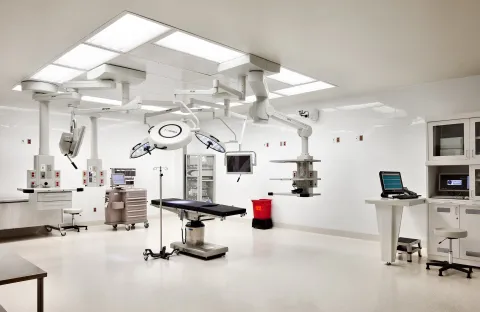
Phase 1 Project Snapshot
78,050
240,916
therms* of lifetime natural gas savings
$687,997
in estimated annual energy cost savings
* One therm is equal to 100,000 British thermal units (Btu), which is the amount of heat needed to raise the temperature of one pound of water by one degree Fahrenheit.
This case study is also available for download as a PDF.
Image

Inspired by these results?
Connect with an energy adviser through the program pages below.
Image

Engineered Solutions Program
The PSE&G Engineered Solutions Program focuses on implementation by bringing customizable engineered energy savings solutions to you with a specific focus on hospitals, colleges and universities, school districts, municipalities, other nonprofit or public entities, and large commercial entities.
Image

Engineered Solutions Tier 2 Program
When you have a large energy efficiency project, it will often require more than upgrading just one piece of equipment. The Engineered Solutions Tier 2 Program offers tailored solutions to help minimize your costs for systemic upgrades that require extra customization.
Image

Energy Management Program
The PSE&G Energy Management Program is designed to help businesses find efficiencies and reduce energy consumption by improving the performance of existing equipment.
PSE&G programs are subject to change, including termination, without prior notice.
Get recommendations for
your business.
Answer a few quick questions about your business and facility to learn which PSE&G energy efficiency programs are best for you. It takes less than a minute to receive your energy recommendations.
Image